Site announcements

There are no discussion topics yet in this forum.

Available courses

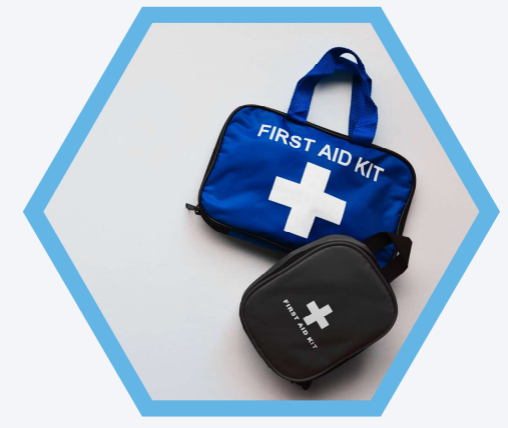
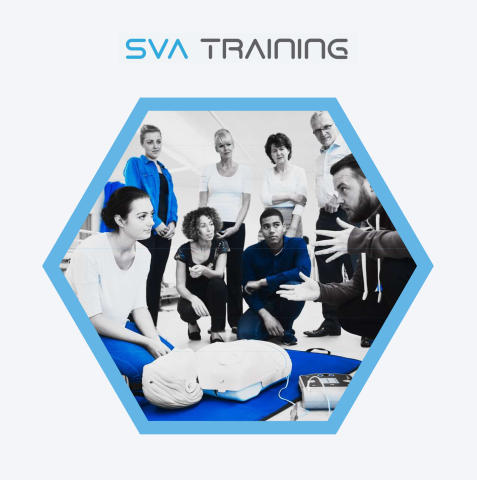
This unit standard is for persons who are responsible for applying first aid in a working 
place. Persons credited with this standard are able to: 
 Describe first aid equipment and explain basic application. 
 Assess the accident scene, report and make safe. 
Prioritize the casualties and treat

This Unit Standard is intended for learners who use a computer in a business environment. It is an introduction to basic computer literacy.

The qualifying learner is capable of:

Explaining basic IT concepts.

Identifying and operating the hardware in a specific workstation.

Using a computer operating system.

Demonstrating basic maintenance procedures.

This Unit Standard will lead learners to acquire knowledge and skill to effectively manage risks arising from trauma and loss in themselves or others. It could be useful for peer counsellors, community counsellors and managers to understand the debriefing process and to know to refer individuals who have experienced a traumatic event.

A manager in the context of this Unit Standard is the manager of a small business and first line managers of business units, team leaders and supervisors in medium and large organisations. The term business unit implies a small business, cost centre, section or department.

The Unit Standard was developed as a means of contributing to change in leadership focus and empowering managers to look at people issues.

The qualifying learner is capable of:

Recognising reactions to post trauma stress.

Explaining trauma debriefing and the referral process.

Explaining possible support strategies.

This unit standard provides a broad introduction to HIV/AIDS in the workplace. It introduces knowledge about HIV/AIDS that will enable learners to be informed and caring workers in an industry and managers to develop appropriate policies to deal with the pandemic. The focus is knowledge, skills, values and attitudes in relation to the learner and management with a view to creating a caring environment in the workplace and the community

A manager in the context of this Unit Standard is the manager of a small business and first line managers of business units, team leaders and supervisors in medium and large organisations. The term business unit implies a small business, cost centre, section or department

The Unit Standard was developed as a means of contributing to change in leadership focus and empowering managers to look at people issues

The qualifying learner is capable of:

Explaining HIV/AIDS.

Describing what behaviour is safe and what behaviour carries the risk of HIV/AIDS transmission.

Interpreting data and trends on HIV/AIDS in order to explain the potential impact on a community, an organisation and a business sector.

Investigating the guidelines and assistance that are available to support workers affected by HIV/AIDS.

Explaining the implications of the HIV/AIDS pandemic for the community, the economy, an organisation and a specific workplace. 

This Unit Standard focuses on coaching individuals in a business environment in order to improve the level of performance to meet a team`s required service levels. The learner is required to demonstrate knowledge and skill in an authentic work situation.

The qualifying learner is capable of

 Explaining the concept of coaching in a business environment. 

 Demonstrating skills and techniques required of a coach.

Developing an action plan to coach two team members.

Gathering evidence and monitoring progress.

This Unit Standard will lead learners to acquire knowledge and skill to effectively manage risks arising from trauma and loss in themselves or others. It could be useful for peer counsellors, community counsellors and managers to understand the debriefing process and to know to refer individuals who have experienced a traumatic event.


A manager in the context of this Unit Standard is the manager of a small business and first line managers of business units, team leaders and supervisors in medium and large organisations. The term business unit implies a small business, cost centre, section or department. 


The Unit Standard was developed as a means of contributing to change in leadership focus and empowering managers to look at people issues. 

Learners acquiring this standard will be learning towards obtaining a national qualification or are 
working within a health and safety environment, where acquisition of competence against this 
standard will add value to learner’s job, or chances of finding employment. 
The qualifying learner is capable of:
 Identifying hazards 
 Evaluating hazards 
 Controlling hazards 
 Explaining and using relevant legislation and regulations 
 Gathering and organising occupational health, safety and environmental information from the 
workplace 
 Carrying out occupational health and safety training

This learning program is part of a complete qualification. The qualification is General Security 
Practices NQF level 3. 
A person credited with this unit standard will be able to: 
♦ Identifying the statutory elements in the structure of an organisation in a selected 
business sector and describe the structure of such a company 
♦ Explaining how their own business sector is regulated and know the main points of the 
legislation that apply to the industry

This learning program is part of a complete qualification. The qualification is General Security 
Practices NQF level 3. 
A person credited with this unit standard will be able to: 
♦ Understanding him/herself as worker in a specific position. 
♦ Identifying own role in an organisation.
♦ Understanding the dynamics within a specific group.
♦ Using a variety of strategies to deal with potential conflict in a team or group.
♦ Developing a plan of action to enhance team performance

The skills, values and knowledge reflected in this unit standard are required by people in the field of 
manufacturing and engineering. The learning outcomes in this unit standard also contribute to the exit level 
outcomes required for various manufacturing and engineering qualifications. 
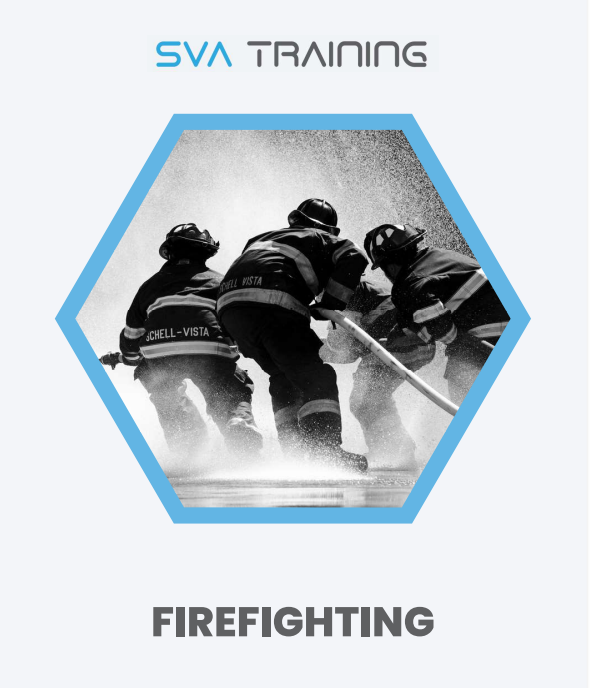
Qualifying learners can select and use the appropriate fire fighting equipment to extinguish or control fires 
in the workplace.

This learning program is part of a complete qualification. The qualification is General Security 
Practices NQF level 3.
A person credited with this unit standard will be able to: 
♦ Apply knowledge and understanding of the requirements for effective report writing. 
♦ Compile a complete and concise report. 
♦ Take a written statement.

This course provides learners with a comprehensive understanding of the role and responsibilities of the Private Security Industry Regulatory Authority (PSIRA) within the South African security industry. It covers compulsory registration requirements for security service providers, compliance obligations, monitoring and investigation procedures, and the PSIRA Code of Conduct. The program is aligned with the General Security Practices NQF Level 3 qualification and includes both formative and summative assessments to ensure learners can apply industry standards and regulatory requirements effectively.

The purpose of this qualification is to prepare a learner to operate as a Visual Merchandiser. A Visual Merchandiser plans, develops and displays merchandise visually in order to create and maintain interest in the chosen target market and promote sales

This is a system tutorial that will teach you how to navigate the New SVA training platform. After completing this course you will have the full confidence in using the SVA Training platform

Short tutorial to give you confidence in using the SVA Training platform. By the end, you'll know how to create and find courses, submit assignments, and check your grades, check student information and manage the site